
The Kingdom of Morocco is the result of centuries of cultural exchange. In that respect, it is not so different from Rotterdam, a city with a large Moroccan community.
Around 46,000 people, or about 7% of Rotterdam’s population, are Moroccan, making them the city’s third-largest minority group. Many came to Rotterdam in the 1960s and 1970s in search of work. People continue to come today, looking for new opportunities. Over time, Moroccan families have made the city their home and raised children with both Moroccan and Dutch cultural influences. This blend is visible throughout Rotterdam, including in former mayor Ahmed Aboutaleb, who grew up in Morocco’s Nador Province.
Most Moroccans are Sunni Muslim; around 99% of people in Morocco identify as Muslim. In the Netherlands, 94% of Moroccans identify as Muslim, 78% follow Islamic prayer practices and 37% attend a mosque weekly. The figures are lower than in Morocco, but still show the importance of Islam in many Moroccan lives.
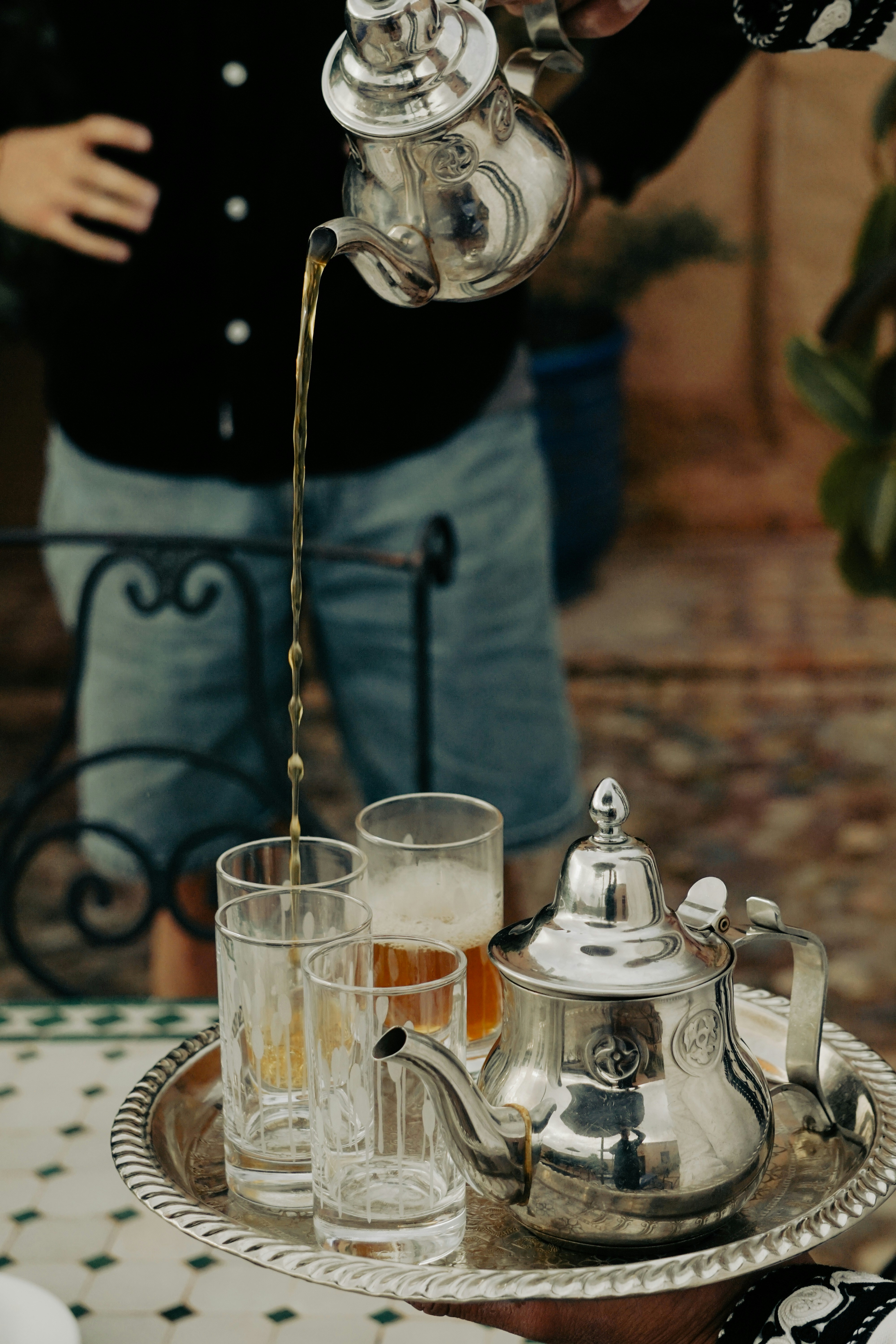
Moroccans are often of Arab or Amazigh (Berber) heritage, and Arabic and Amazigh languages are spoken throughout the country. Morocco has a rich cultural history that continues today. Moroccan architecture, shaped by Roman, Islamic and French colonial influences, is one example. Tea is also an important part of Moroccan hospitality. Green tea, known as atay and introduced by the British in the 18th and 19th centuries, is traditionally brewed with mint and sugar.
Moroccan culture has been shaped by influences from many places. Just as Morocco’s culture developed through exchange, Moroccan life in Rotterdam continues to be shaped by the diverse city around it.
Prayer points
- Pray against discrimination faced by Moroccans in Rotterdam and the Netherlands.
- Pray that Moroccans will have safe and fulfilling lives in Rotterdam.
- Pray for Moroccan residents of every generation, young and old.
- Pray for support for Moroccan families facing difficulties, especially those who have become Christians.
- Pray for more workers among the Moroccan community in Rotterdam.
- Pray for the work among Moroccans by organisations such as Bron van Leven and Stichting Gave.